Last updated:
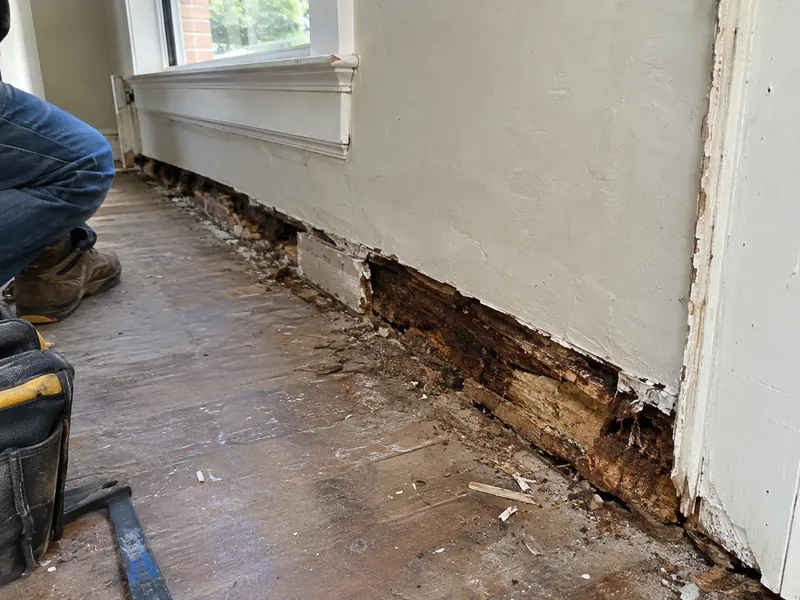
Foundation Repair Baton Rouge is a foundation repair company with 20 years of industry experience, serving Baton Rouge and the Capital Region, and sill plate replacement is routine work in the city’s older raised homes. The sill is the horizontal board sitting on top of the foundation or perimeter piers that the walls and floor rest on. It’s the lowest piece of wood in the house, closest to splash-back and crawl-space humidity, so it’s usually the first to rot — and termites love it.
Sill plate replacement typically costs $100–$300 per linear foot, depending on access, how much of the wall has to be opened, and whether studs and joist ends are damaged too.
How we replace a sill
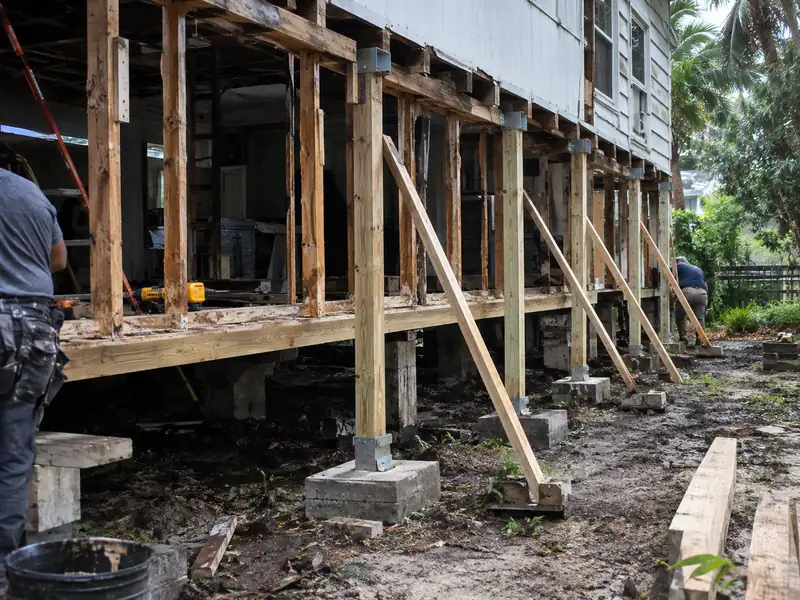
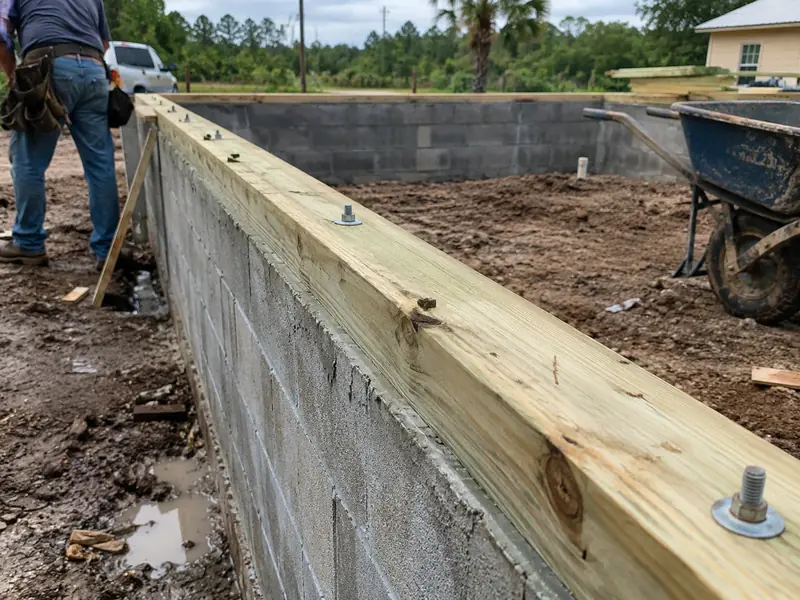
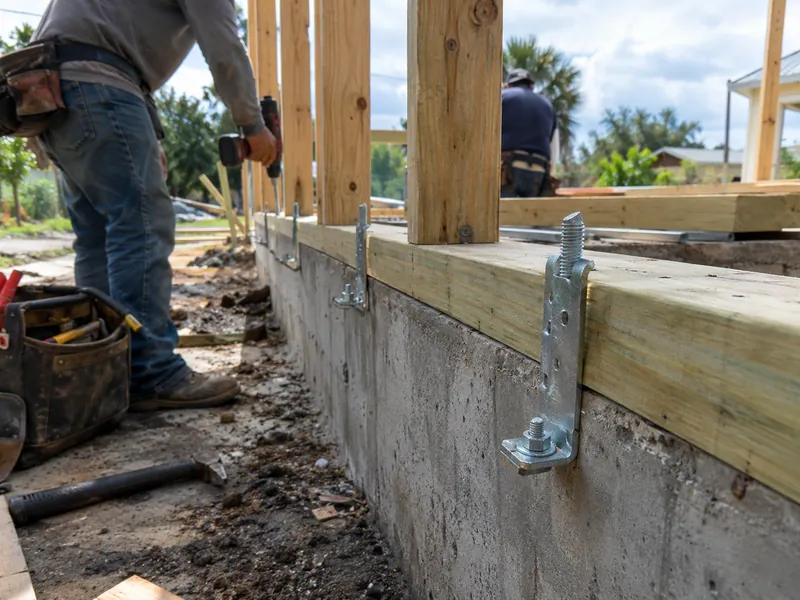
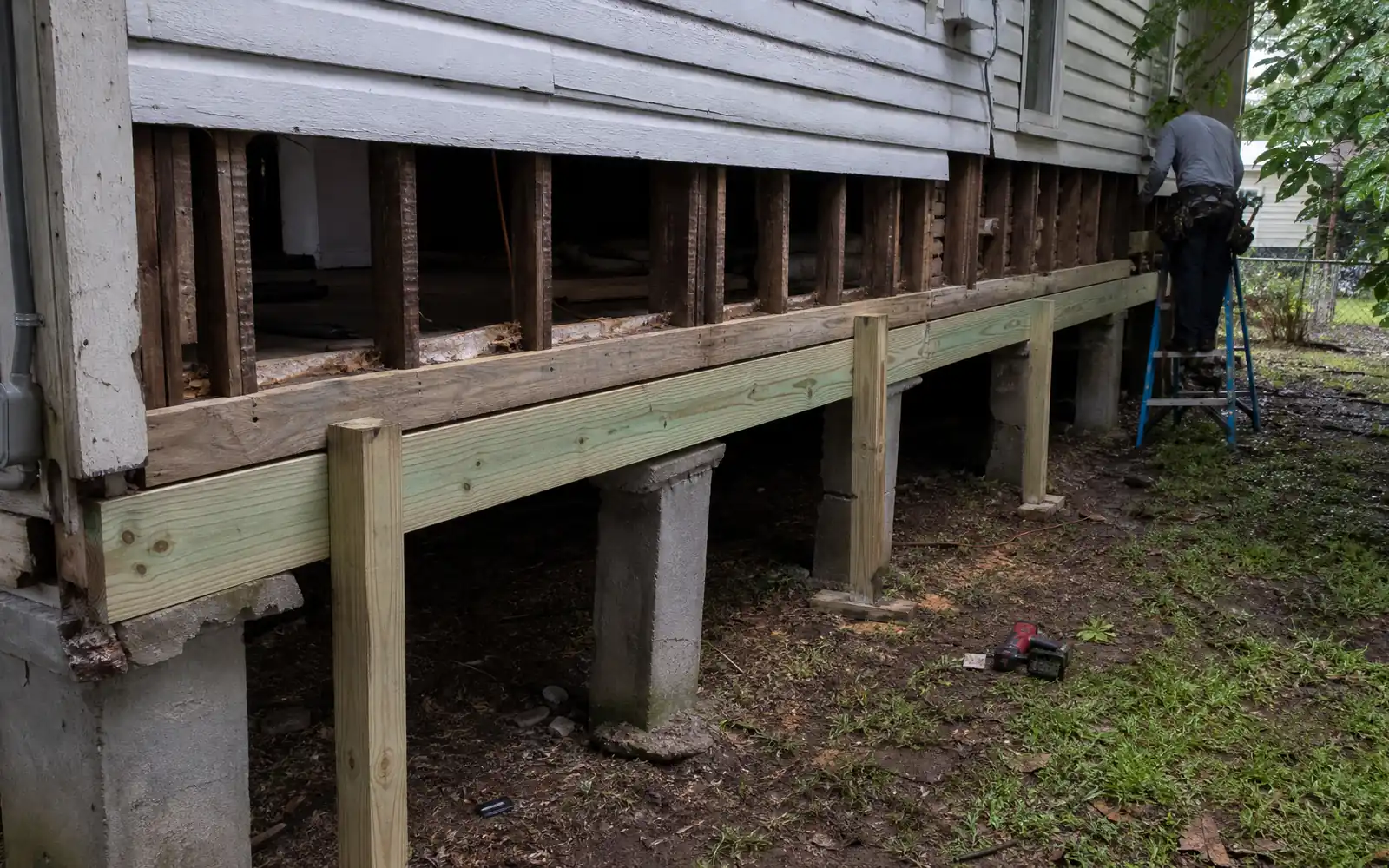
We probe the sill along its whole length and mark exactly how much has to come out — often it’s a section, not the whole run. The wall is shored on temporary supports so it can’t drop. The rotted wood is cut out back to sound material, damaged stud bottoms and joist ends are repaired, and a new ground-contact treated sill goes in on a moisture break. Galvanized anchors and connectors tie it back together, and the floor is re-leveled and re-measured.
Stopping it happening again
Sills rot because they stay wet. We look at gutters, downspouts, grading and crawl-space moisture as part of the job — see crawl space repair. Because termites are often involved, coordinate with a licensed pest control operator for treatment before new wood goes in. If multiple sections, beams or piers are damaged, the job becomes a broader pier and beam repair.
What's included
- Probe and moisture test along the full sill
- Written footage of sill to replace
- Temporary shoring of the wall
- Rotted or termite-damaged sill cut out
- New treated sill set on a moisture break
- Studs and joist ends repaired where damaged
- Anchoring with galvanized hardware
- Re-level and after-repair readings
Sill damage options compared
| DIY / patch it | Cheapest crew | Done properly | |
|---|---|---|---|
| Removes rot | No | Partly | All of it, to sound wood |
| Lumber | — | Untreated | Ground-contact treated |
| Moisture break | No | No | Yes |
| Typical cost | $50 | Varies | $100–$300 per linear ft |